
Thyroid Panel - Complete
TSH, T3, T4, Antibodies
$95.00
A full thyroid panel is a comprehensive set of blood tests used to evaluate how well your thyroid gland is functioning, assess hormone levels, and check for underlying issues like autoimmune conditions.
It goes beyond basic screening (which often includes just TSH) to provide a more complete picture of thyroid health.
Key Components of a Full Thyroid Panel
TSH (Thyroid-Stimulating Hormone): Produced by the pituitary gland, TSH tells the thyroid how much hormone to make. It is the most sensitive screening test—high TSH often indicates hypothyroidism (underactive thyroid), while low TSH suggests hyperthyroidism (overactive thyroid).
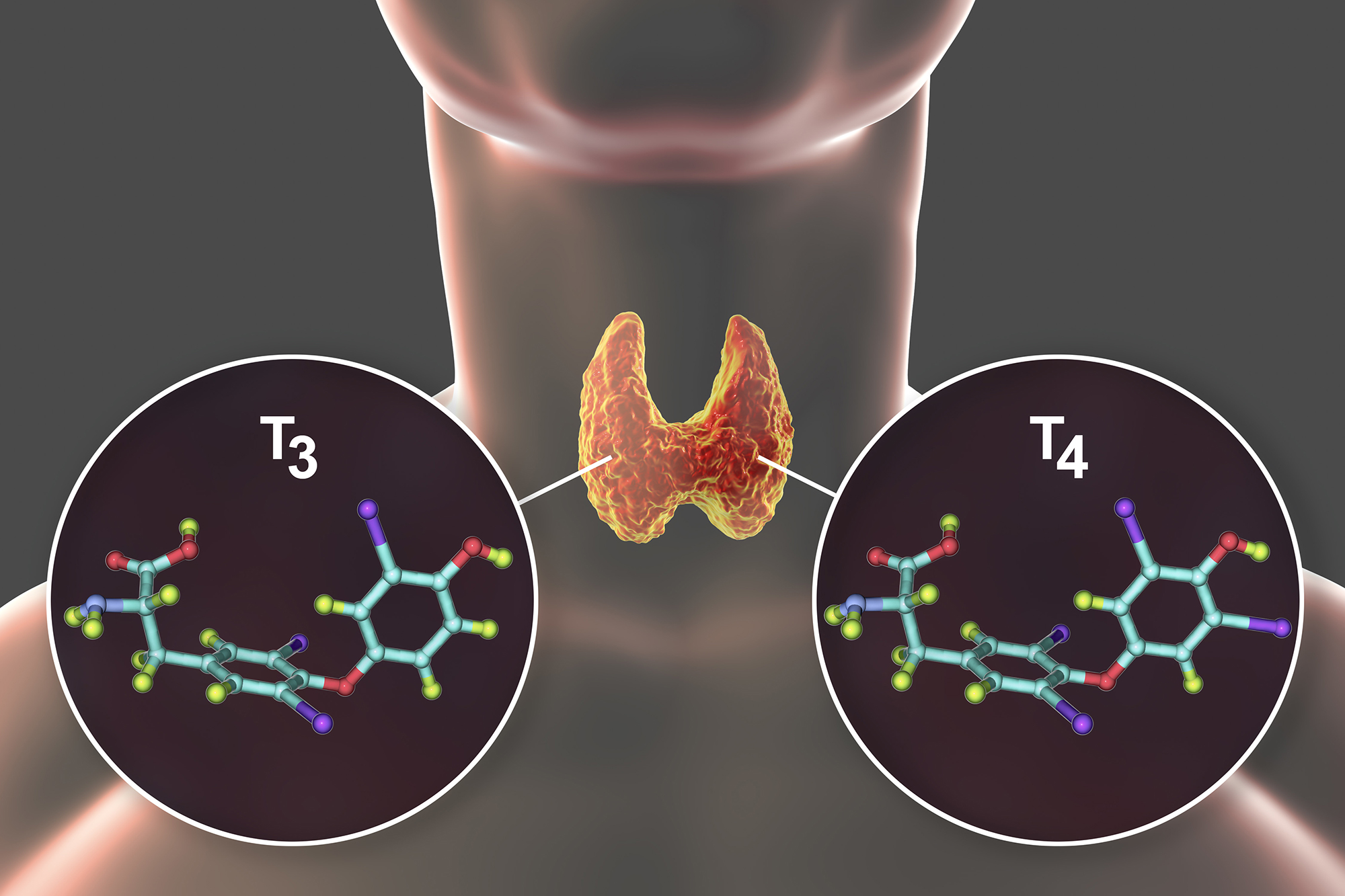
Free T4 (Free Thyroxine): The main hormone produced by the thyroid. "Free" measures the unbound, active portion available for your body to use. Low levels can point to hypothyroidism.
Free T3 (Free Triiodothyronine): The active form of thyroid hormone that affects metabolism, energy, and many body functions. T4 converts to T3 in tissues. Measuring free T3 helps assess conversion efficiency and detect issues where T3 is low despite normal T4.
Thyroid Antibodies (often included for a truly "full" panel):
TPO Antibodies (Thyroid Peroxidase): Common marker for autoimmune thyroid disease, like Hashimoto’s thyroiditis.
Tg Antibodies (Thyroglobulin Antibodies): Another autoimmune marker
Reverse T3 (rT3): An inactive form that can block T3 action (elevated in stress, illness, etc.).
Total T4 or Total T3: Less commonly emphasized since free levels are more predictive.
Free T4 (Thyroxine): Measures the main inactive hormone made directly by the thyroid.
Free T3 (Triiodothyronine): Measures the active hormone used by your body's cells.
Why Order a Full Panel Instead of Just TSH?
TSH alone is a good initial screen for many people, but it can miss problems like poor hormone conversion (T4 to T3), early autoimmune issues, or central hypothyroidism.
A full panel helps diagnose the type and cause of dysfunction (e.g., Hashimoto’s, Graves’, conversion problems, or subclinical issues).
It is especially useful if you have symptoms like fatigue, weight changes, hair loss, mood issues, temperature sensitivity, or a family history of thyroid disease.
Insufficient iodine
Insufficient selenium - a cofactor in T3 and T4 production
Gut issues that cause inflammation
Stealth infections that can attack the thyroid
Surgery or radiation
Certain drugs
pituitary gland disorders
In some cases excess iodine intake through supplementation may lead to changes in TSH but may not impact the active hormones, T3 and T4