
Resolve most gut issues with this step-by-step, systematic approach.
You are what you absorb, not what you eat!
Your gut starts with how you prepare food outside your body. And your mouth is part of your gut. The following is a step-wise approach to improving gut health and is especially appropriate for people with any kind of gut problem.
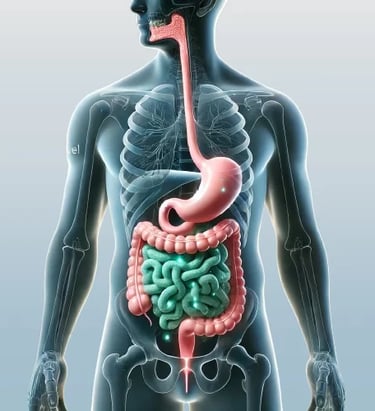
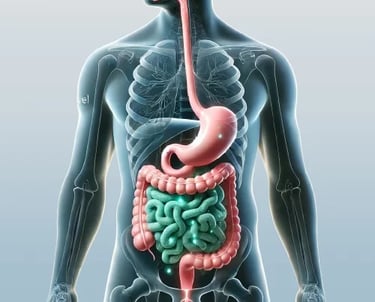
Your gut starts with how you prepare food outside your body. And your mouth is part of your gut. The following is a step-wise approach to improving gut health and is especially appropriate for people with any kind of gut problem.
Consume whole foods (1 ingredient) only. This may be the single most important step.
Cook all vegetables. Yes, no salads if you have any level of gut dysbiosis. Raw is actually a fad. According to a Harvard Primatologist (who studies people from history), humans have uniquely been cooking for >500,000 years. Consequently, our gut is small, and our brain is large compared to ALL other animals. Why? Because cooking is "pre-digestion," making nutrients more easily absorbed. Cooking will also reduce the small amount of organisms on the food. People with a poor gut constitution may be vulnerable to even a small amount of organisms.
First thing after waking up, drink 8 ounces of warm water with electrolytes to rehydrate water loss overnight and to support an ongoing liver, gall bladder, and kidney cleanse that started while you slept.
Do not eat for at least 1 hour after waking so that detox can continue. After the hour, eat a very small meal with eggs, steel-cut oats, and probiotics like kefir or cottage cheese.
NOW you can have coffee or other favorite morning hot beverage.
Take some bone broth and fulvic/humic liquid daily. Liquid is key. Your digestive system breaks down solid food into liquid. So, consuming a high nutrient-dense liquid provides readily absorbable nutrients.
Are you aware of any food with which you react? Avoid these for now. They may be reintroduced when your gut is healed.
Minimize water when you eat. If you do drink something, make sure it is a warm beverage like hot water or tea (or coffee). Warmer temperatures speed reactions. Your gut is a chemical reactor!
Chew well. Small particles are easier to digest. Also, chewing releases amylase, which initiates a more robust breakdown of your food.
You swallow over a quart of saliva a day. Do your gums bleed? Do you floss? Do you have a solid daily oral health regimen? If you don't, you are swallowing pathogens from the oral cavity (part of the gut). If your stomach doesn't have strong acid or your microbiome is compromised, these organisms can dominate your gut flora. Schedule a consultation to review an appropriate oral health treatment regimen.
Treat to reduce or eliminate pathogens in your gut. If you have any gut dysbiosis, your microbiome is compromised and/or you have an abnormal pathogen burden at any point of your digestive tract, including your mouth. This is a complicated step because it requires understanding what pathogens may be involved and where they may be active. For example, SIBO is downstream of the stomach, whereas acid reflux occurs in the stomach. They involve different organisms. Testing and consultations are required to eradicate harmful gut organisms.
Take apple cider vinegar and/or vitamin C or other acid promoter 20 minutes before you eat. This simulates the "Pavlovian" response, in which your body releases "digestive juices" before the food reaches your lower gut. Betaine HCl is often recommended by functional/integrative practitioners but may not be appropriate for many people. The issue is the "betaine" portion, not the acid (HCl) portion, as the betaine may promote the proliferation of certain gut pathogens. For more information, refer to this blog. https://docfrugal.com/should-you-take-betaine-hcl-for-stomach-acid-support
Your gallbladder and liver send digestive substances below your stomach (duodenum). Gallbladder issues often create serious downstream health issues because they release bile salts that help you absorb fats. Fats make up the membrane structure of ALL 35,000,000,000,000 cells in your body. These cells are born, live, and die. You are constantly replacing cells, and you need fats to support this "scaffolding." A supplement that contains bile salts, acid, and enzymes - all in one - is called "support digestion." There are others as well.
The gut organ where the microbiome functions and thrives to the greatest extent is the large intestine, specifically the colon. It houses up to 100 trillion microorganisms and accounts for the vast majority of microbial diversity and metabolic activity in the human gastrointestinal (GI) tract. Repopulating or expanding your microbiome can be challenging, but taking probiotics, with an emphasis on fermented foods, does help. Some people have successfully performed a probiotic enema under medical supervision, with symptom improvement as evidence of success.
Do you have autoimmune conditions, gut bloating, or established "leaky gut?" If so, work through the steps above. A quick fix that often relieves symptoms is a product called Atrantil. An intestinal lining repair program includes 4 nutrients: Mega Mucosa (Microbiome Labs); zinc carnosine; Ion Gut Support (a fulvic/humic acid blend); and glutamine. There is information online about potential problems with glutamine. However, glutamine is among the most abundant amino acids in our body, so the information may not be factual. KBMO Labs offers the least expensive / most comprehensive leaky gut test, which includes a consultation with a company microbiologist.
Engage in the "usual" healthy activities, including exposure to sunlight, eating whole foods, and exercising regularly. This helps heal and improve your entire body, including your gut.
You are not done. If you have completed all of these steps, return to step 1 and repeat the process. Health is a journey, not a single step. It is called the "Deming Cycle of Continuous Improvement."
The Deming Improvement Cycle, also known as the PDCA (Plan-Do-Check-Act) or PDSA (Plan-Do-Study-Act) cycle, is a continuous, iterative framework used for process and quality improvement. It helps organizations test changes, measure results, and implement permanent, data-driven solutions. We all wish there were shortcuts and quick fixes. However, in health, that is seldom the case. You may be taking a drug (or more) to relieve symptoms, but this seldom solves the underlying problem(s)!
These are suggestions for someone with extreme food sensitivities who is trying to reintroduce foods.
What is the best way to enhance your microbiome? Click above.
Multi-step program for gut optimization. Click above.
Order a consultation with one of our experts to guide you through the process.
Cardiovascular / Vessel Health Protocols
Cardiovascular disease—specifically ischemic heart disease (heart attacks)—is the number one killer in the developed world. It accounts for nearly one-third of all global deaths, with its underlying condition, atherosclerosis.
There are many factors that lead to cardiovascular disease, and the link to the intervention document below covers the most important considerations and interventions. This program is never as effective as it can be in isolation. Therefore, review and implement the gut, oral, pathogen, and metabolic protocols, in addition to this one, which is specific to cardiovascular disease.
Order a consultation with one of our experts to guide you through the process.
Click on the button above to retrieve the comprehensive vascular health program as a PDF.


How to overcome fatigue (tiredness), improve energy, and athletic performance.
Highlights:
Evidence-Based Approaches to Improving Energy, Reducing Chronic Fatigue, and Enhancing Athletic Performance — Including the Role of Occult Intracellular Pathogens
Original Question 1
"Can you please suggest ways to improve energy for people with constant fatigue and to help with athletic performance? One substance is PQQ. Does boron help? What are other suggestions?"
PQQ (Pyrroloquinoline Quinone)
PQQ stimulates mitochondrial biogenesis via the SIRT1/PGC-1α signaling pathway, increasing cellular NAD levels and ATP production.[1] In animal models, PQQ prolonged time to exhaustion and reduced exercise-induced oxidative damage by preserving mitochondrial function.[2] However, in a human RCT of untrained men taking 20 mg/day for 6 weeks, PQQ significantly increased PGC-1α protein levels but did not improve aerobic performance (VO2peak or exercise duration) compared to placebo.[3] PQQ may have synergistic potential when combined with endurance exercise, though human performance data remain limited.[4]
Boron
Boron's relevance to energy and performance is indirect, primarily through hormonal modulation. In a small study of 8 healthy men, 10 mg/day of boron for one week significantly increased free testosterone, decreased estradiol, reduced SHBG, and lowered inflammatory markers (hsCRP, TNF-α).[5] In postmenopausal women, 3 mg/day elevated serum 17β-estradiol and testosterone.[6] However, a controlled study in male bodybuilders found that 2.5 mg/day for 7 weeks had no effect on testosterone, lean body mass, or strength beyond training alone.[7] Boron also supports bone health, cognitive function, and antioxidant defense, but direct evidence for fatigue reduction or athletic performance enhancement is lacking.[8]
Supplements with Stronger Evidence
Coenzyme Q10 (CoQ10/Ubiquinol)
A meta-analysis of 13 RCTs (1,126 participants) found CoQ10 produced a statistically significant reduction in fatigue (Hedges' g = -0.398, p = 0.001), with greater benefit at higher doses and longer durations.[9] For exercise performance, a systematic review of 24 RCTs concluded CoQ10 reliably elevates blood levels but provides "at most modest and context-dependent" performance benefits.[10] Ubiquinol (reduced form, 300 mg/day) improved mitochondrial coupling efficiency but did not improve exercise time to exhaustion in healthy males.[11] Typical dosing: 200–400 mg/day of ubiquinol for better bioavailability.[12]
Creatine
One of the most well-established ergogenic supplements. The ISSN position stand confirms creatine increases intramuscular phosphocreatine, enhancing high-intensity exercise performance and recovery.[13] Even low-dose creatine (~2.3 g/day) significantly improved fatigue resistance without weight gain.[14] Creatine also shows promise for post-viral fatigue and cognitive fatigue.[15][16] Standard dosing: 3–5 g/day maintenance (or 20 g/day loading for 5–7 days).[13]
D-Ribose
A pentose sugar involved in ATP resynthesis. An open-label pilot study in 41 CFS/fibromyalgia patients found 5 g three times daily produced a 45% increase in energy and 30% improvement in well-being.[17] In less-fit individuals, 10 g/day improved power output and reduced perceived exertion during multi-day exercise.[18] Evidence is limited to small, mostly uncontrolled studies.[19]
Other Options
- L-carnitine — supports mitochondrial fatty acid transport; deficiencies associated with fatigue in CFS[20]
- B vitamins (especially B12) and magnesium — common deficiencies linked to fatigue severity[20][21]
- Omega-3 fatty acids — positive outcomes for CFS symptom alleviation in systematic review[19]
- N-acetylcysteine (NAC) — addresses oxidative stress and mitochondrial dysfunction[22][23]


Part VII — Practical sequencing framework
Foundation for nearly all patients. Viscous fiber, best evidenced as psyllium 5–10 g before meals, with lipid, bowel, and glycemic benefit and minimal long-term risk.[1][5]
Primary strategy where onset speed is not the dominant concern. Stepwise carbohydrate reduction (start 15–25% of energy from carbohydrate), advancing to intermittent and then longer fasts, with formal electrolyte repletion. This is the only approach in this comparison with documented drug-free remission.[11][30][31]
Recognize the operative variable. The strongest long-term dataset — 20% remission and 32.5% HbA1c 6.5% off medication at 5 years — came from a program with intensive continuous remote care, not diet prescription alone.[31]
Add a GLP-1 RA when delay is itself the risk. Established cardiovascular or renal disease, high BMI, or HbA1c well above target justify the adverse-effect profile.[6]
Mitigate the best-characterized drug harms. Protein 1.2–1.5 g/kg/day, resistance training, and consideration of DXA and bone turnover markers after 1 year in older or osteopenic patients. These steps are necessary to attempt to offset the severe harm caused by a GLP-1, although there is no clinical evidence that this approach can avoid it.[16][32]
Plan the exit. Because ~11.6% of lost weight returns within 52 weeks of discontinuation, a carbohydrate-restricted, fiber-supported eating pattern is the logical maintenance strategy after tapering.[33][34]
—————————————————————————————————————————————————————————
Bottom line
Fiber, fasting, and carbohydrate restriction form a graded, low-risk sequence whose ceiling is lower and slower than semaglutide's
but whose long-term unknown-harm burden is substantially smaller — and
which uniquely offers remission rather than pharmacologic suppression.
This discusses different fibers that, when added to food, slow glucose absorption. See which one is best. Combinations are always better, however.
Click to view or download the PDF.


This discusses 4 different methods to reduce glucose levels, improve metabolic health, and reverse diabetes (II). Included are GLP-1, fasting/ketogenic, low-carb, and high-fiber-specific foods.
Click to view or download the PDF.
Key: Higher number means “MORE.” That is, more risk or more benefit.
Color coding: green = optimal/best; yellow = good; orange = some benefit or concerning risks;
deep orange = minimal benefit or substantial risks; red = no benefit or unacceptable risks.
Updates
Get low- and no-cost health tips and root-cause solutions.
FrugalDoc
Affordable Health & Wellness
© 2025 FrugalDoc Health & Wellness. All rights reserved.